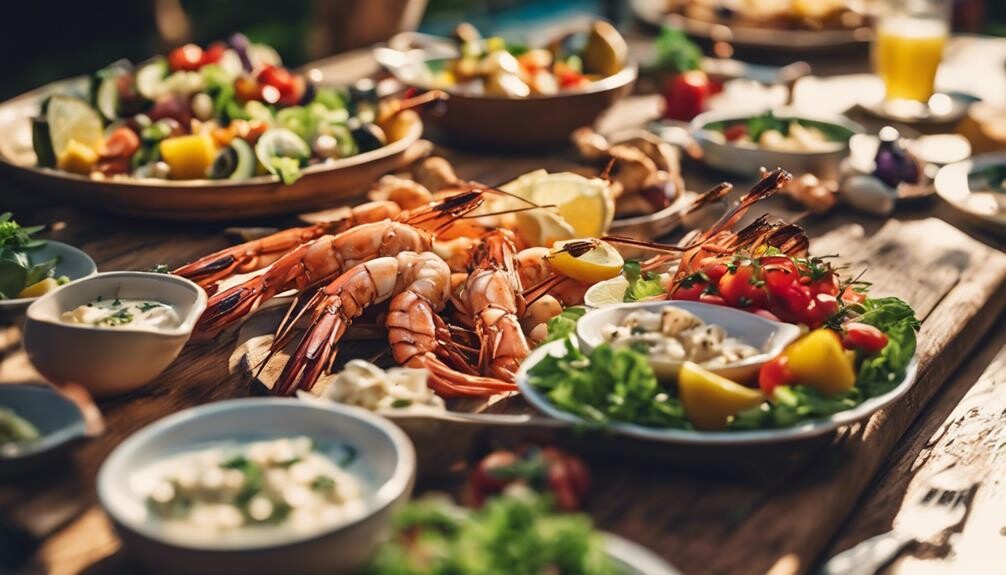
Have you ever wondered why a squeeze of lemon transforms a plate of grilled fish? Or why a pinch of salt makes chocolate taste deeper and richer? Or why steak and red wine feel like they were made for each other? It’s not magic — it’s food science. And once you understand the basics of flavor pairing, you’ll cook with a completely different intuition.
You don’t need a chemistry degree to use this knowledge. You just need to understand a few core principles — and then trust your senses to do the rest. Let me break it down.
What Is Flavor Pairing, Really?
Flavor pairing is the practice of combining ingredients that taste good together — but “taste good” is more complex than it sounds. Flavor is made up of three things: taste (what your taste buds detect — sweet, sour, salty, bitter, umami), aroma (what your nose picks up — by far the largest component of perceived flavor), and texture (how food feels in your mouth — crunchy, smooth, creamy, chewy).
Most flavor pairing science focuses on aroma compounds — the volatile molecules that foods release. Foods that share similar aroma compounds tend to taste good together. This is why strawberries and vanilla pair beautifully (they share a compound called furaneol), or why coffee and dark chocolate are such a natural match (they both carry bitter, roasted notes from the Maillard reaction).
The Two Schools of Pairing: Complement vs. Contrast
There are two fundamental strategies for pairing food, and great cooks use both depending on the situation.
Complementary pairing means choosing flavors that share something in common — they amplify each other rather than competing. Think of roasted garlic and roasted chicken. Both have deep, caramelized, savory notes. They belong together because they speak the same flavor language. Similarly, brown rice and teriyaki-glazed salmon work because both have nutty, slightly sweet undertones that reinforce each other. For ideas, see our guide on what to serve with brown rice.
Contrast pairing is about creating balance through opposition — using one flavor to counterbalance another. Salt on dark chocolate makes it taste more chocolatey because it suppresses the bitterness and lets sweetness come forward. A tangy coleslaw alongside rich, fatty kielbasa cuts through the grease and refreshes your palate. Acid (vinegar, citrus, wine) and fat (butter, cream, olive oil) are classic contrast partners. See how contrast works in practice with our list of sides for kielbasa.
The best meals use both strategies. A beautifully composed plate might have complementary flavors between the protein and the starch, but contrasting flavors between the starch and the vegetable.
The Five Tastes and How to Balance Them
Understanding the five basic tastes — and knowing how they interact — is the foundation of intuitive cooking.
Sweet tempers bitterness and balances heat. This is why honey glaze on spicy wings works, or why a sweet potato side dish softens an assertive, peppery main.
Sour/Acid brightens and cuts through fat. A squeeze of lemon on fried food makes it taste lighter and cleaner. Vinegar in a salad dressing makes everything on the plate taste more alive.
Salty enhances all other flavors. Salt is not just a seasoning — it’s a flavor amplifier. Under-salted food tastes flat even if every other ingredient is perfect. Season at every stage of cooking.
Bitter adds complexity and depth. Radicchio, coffee, dark leafy greens, beer — bitterness can be off-putting on its own, but when balanced with fat, sweet, or acid, it adds a sophisticated edge. Sautéed broccolini with lemon is bitter made beautiful.
Umami is the savory “fifth taste” found in aged cheese, cured meats, mushrooms, soy sauce, tomatoes, and anchovies. It’s the reason a pasta sauce made with parmesan rind tastes so deep and satisfying. Pair umami-rich foods together for layered complexity, or use a small amount of an umami ingredient to boost a dish that tastes flat.
Practical Pairing Principles You Can Use Tonight
“What grows together, goes together.” This old chef’s saying holds a lot of truth. Ingredients from the same region or season often pair well because they evolved in the same culinary tradition. Italian tomatoes with basil and olive oil. French butter with tarragon. Japanese sesame with ginger and soy. Regional cuisines have already done the pairing work for you — follow their lead.
Fat carries flavor. Aromatics (garlic, onion, herbs) bloom in fat — their fat-soluble compounds are released when cooked in butter or oil, which then distributes them throughout the whole dish. This is why garlic sautéed in butter tastes so much more complex than raw garlic. Use this to your advantage when building a side dish.
Acid is your reset button. If a dish tastes dull, flat, or one-dimensional, try acid before you reach for more salt. A splash of lemon juice, a drizzle of red wine vinegar, or a spoonful of crème fraîche can transform the whole dish. Acid wakes everything up.
Texture matters as much as taste. Even two perfectly matched flavors can fall flat if they have the same texture. A creamy dish needs something crunchy alongside it. A soft, slow-cooked protein benefits from a crisp salad. Always ask: where does the crunch come from?
A Simple Exercise to Train Your Palate
Next time you eat something delicious — whether at a restaurant or at home — slow down and try to identify what’s happening on your plate. What’s the dominant flavor? What’s balancing it? Is there something acidic, something sweet, something salty? What texture is providing contrast? How do the components interact with each other?
This mindful eating practice, done consistently, will build your flavor intuition faster than any cookbook ever could. Over time, you’ll start pairing instinctively — reaching for the lemon before you even think about it, knowing exactly which herb will lift a dish that feels like it’s missing something.
That’s the goal: cooking that comes from understanding, not just following a recipe. And it starts with knowing why food tastes the way it does. For inspiration on how these principles play out in real side dish pairings, browse our full library of What to Serve With guides — each one is a real-world example of flavor pairing in action.
Happy pairing. 🍋🧄🥩