Home › Tools
Tools
Three calculators that do the hosting math for you — pick pairings, count ounces, choose bottles.
What each tool assumes — read this before you trust a number
All three tools are calculators, not taste-makers. They do the arithmetic and the recall that gets skipped when guests are already at the door, and each one states its inputs plainly so you can tell when your party falls outside what it models.
| Tool | You enter | You get | What it does not do |
|---|---|---|---|
| Cheese Pairing Generator | One of eight cheese styles | Accompaniments, breads and pours, each with the reason it works | It will not invent a match for a cheese outside the list |
| Wine Pairing Tool | A dish or a board | Safe / better / trust-us pours, with serving temperatures | It does not know your cellar — treat the tier as a shopping hint |
| Charcuterie Board Builder | Guest count and appetite | Ounces per item, board count, printable shopping list | It uses the quantity bands from the quantities guide; dietary substitutions are yours |
Where the numbers stop being ours
The serving math belongs to this site: it comes from the same party notes behind the guides. The safety limits do not. Perishable food should not sit out more than two hours — one hour once the room passes 90 °F — because 40–140 °F is the range where bacteria can double in as little as 20 minutes. That is the USDA's Food Safety and Inspection Service wording, not ours, and it applies to the board in front of you as soon as the first wedge is cut.
Storage comes from the same place. The FoodSafety.gov cold-storage chart sets the fridge times for what goes back in the fridge, and Wisconsin Cheese's storage guidance is the practical version of it: keep cheese clean (it absorbs aromatics like onion), cold (34–38 °F suits most styles), and covered in parchment rather than sealed in plastic wrap, which traps the moisture that makes rind slimy.
If a number here disagrees with an official source, the official source is right: tell us and the page gets fixed. Photographs on the tool pages and guides are credited individually on the image credits page.
Sources: USDA FSIS — "Danger Zone" (40–140 °F) · FoodSafety.gov — Cold Food Storage Chart · Wisconsin Cheese — How to Store Cheese · UW–Madison Center for Dairy Research.
Running all three in one shopping trip
The tools are meant to be used in a fixed order, because each one feeds the next. Work backwards from the party, not forwards from the shop.
- Start with the board builder. Enter the guest count and appetite and you get ounces per category and a board count — that is your shopping list, so decide the numbers before you decide the menu.
- Pick the cheeses from that list and run each one through the pairing generator. It returns accompaniments and breads per cheese; collapse the duplicates into one produce-run.
- Finish with the wine tool, entering the board as a whole rather than each cheese. Two or three bottles cover a mixed board better than a bottle per wedge, and the tool's tiers tell you which is worth spending on.
If the shopping list looks wrong, the fault is almost always in step one: appetite is the input people guess at, and an "eats a lot" party needs roughly the top of the band in the quantities guide. Change the appetite, not the tool.
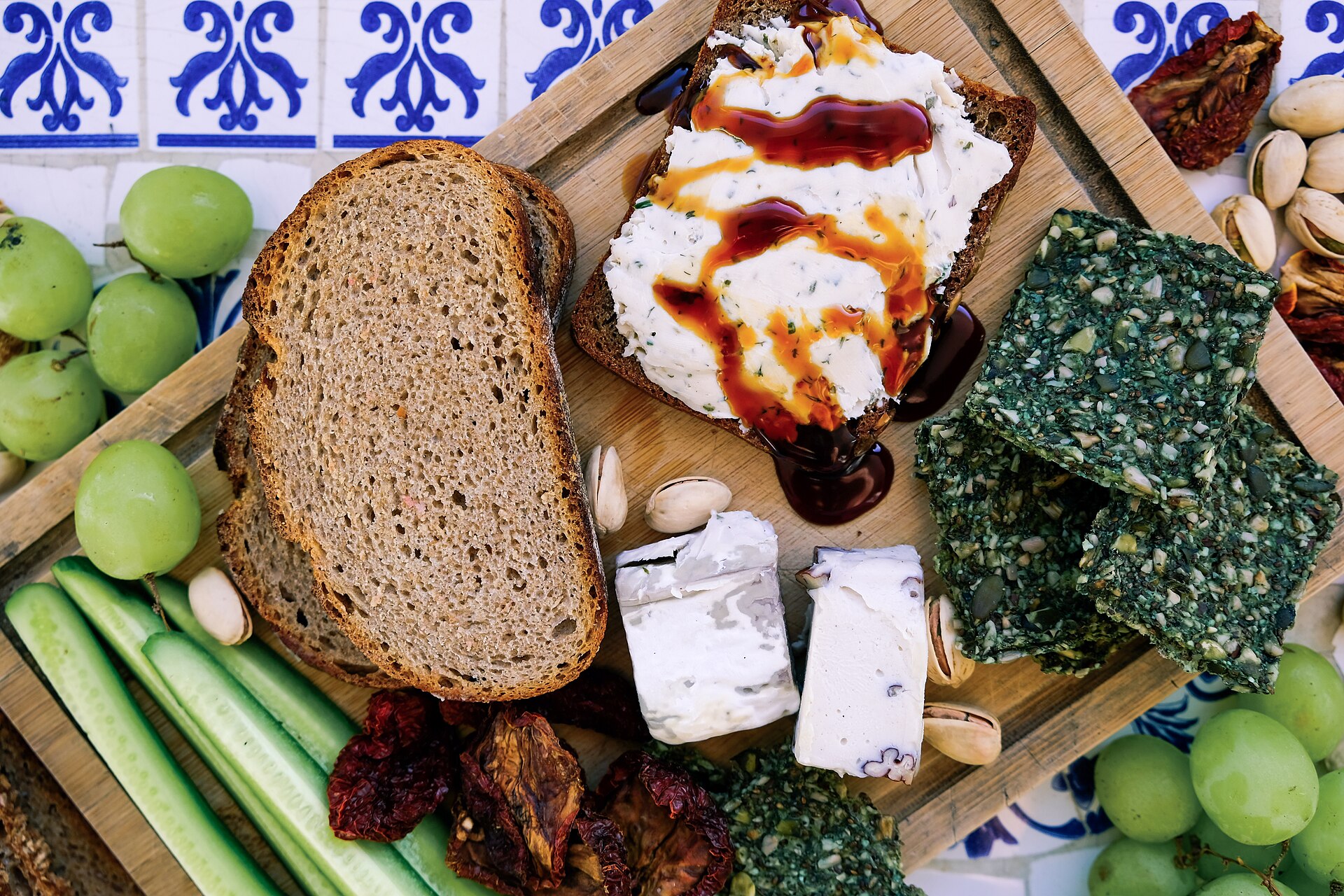
Cheese Pairing Generator
Accompaniments, breads, and pours for 8 cheeses — with the reason each match works.
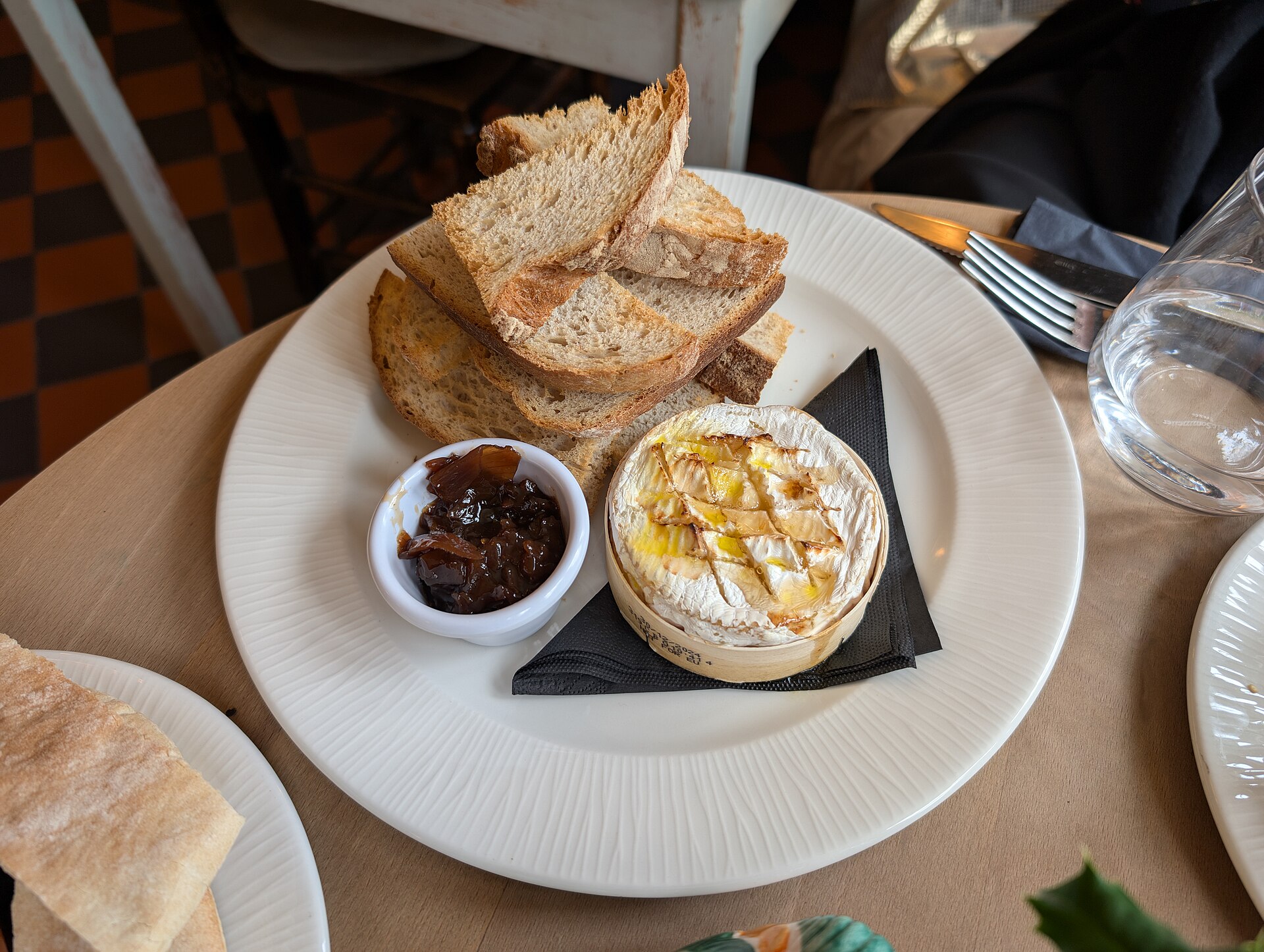
Wine Pairing Tool
Safe, better, and trust-us pours for 9 dishes and boards, with serving temps.
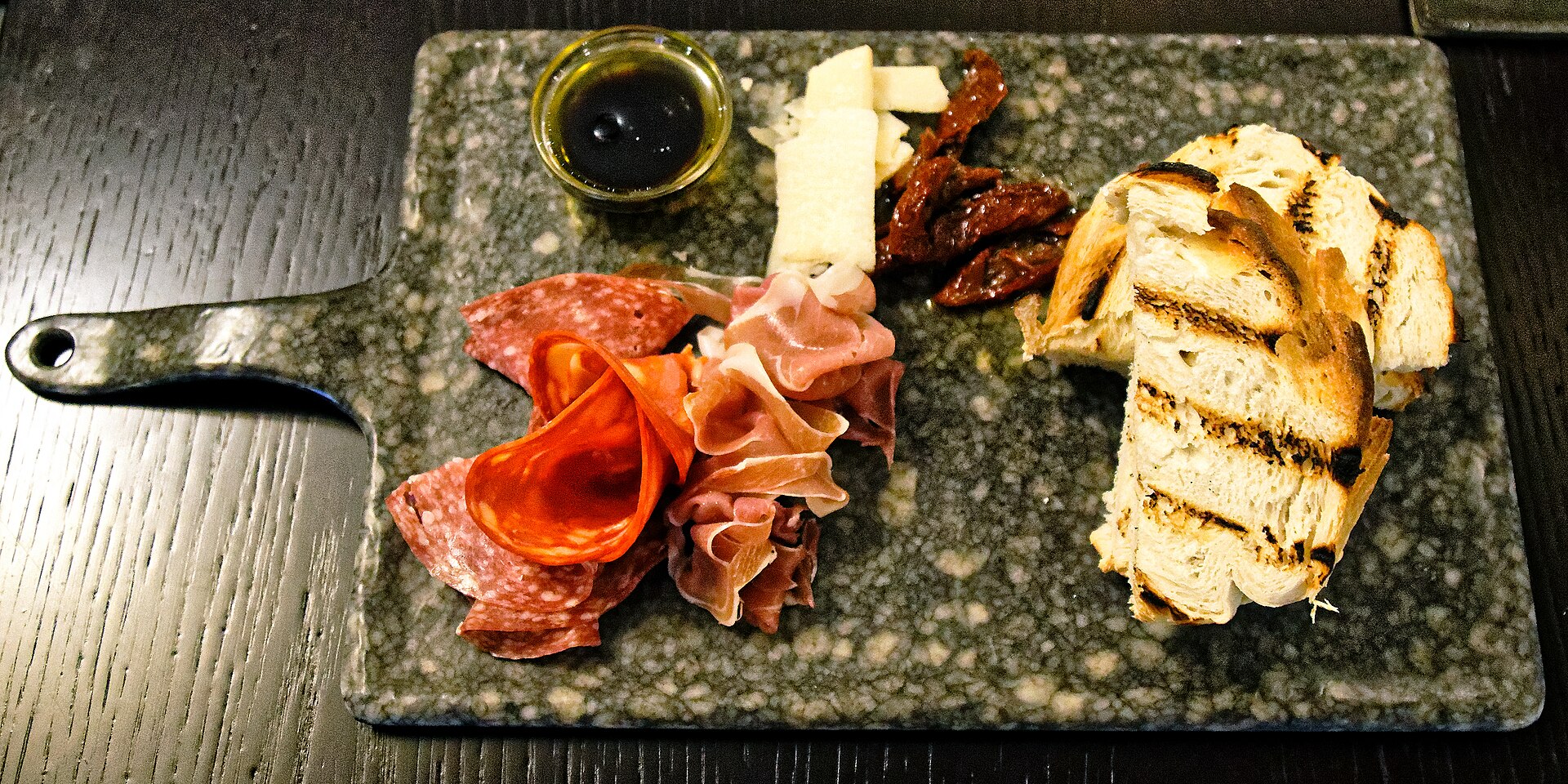
Charcuterie Board Builder
Guest count in, ounces-per-item shopping list out, including board count.