Home › Guides › Wine & Cheese, Decoded
Wine and Cheese: The Four Rules That Cover Almost Every Board
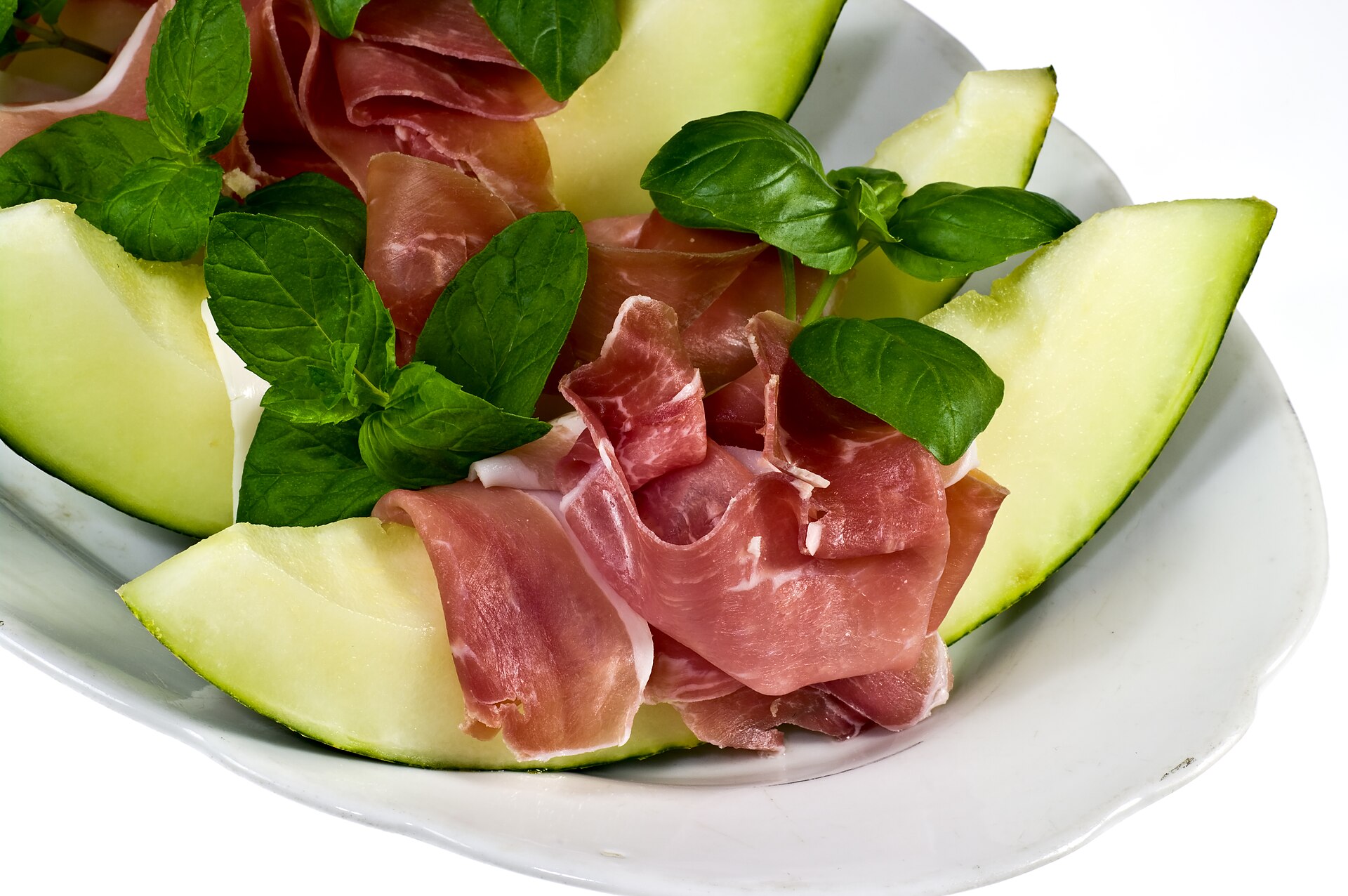
Wine-and-cheese pairing advice comes in two flavors: a 400-variant matrix nobody will memorize, or "drink what you like," which is true and useless. The working middle is four rules. They explain why Chianti loves tomato sauce and dies beside brie, why Champagne opens doors across a whole cheese board, and when to break each rule deliberately.
Rule 1: Tannin grabs fat
Tannin — the drying, grippy texture in big reds — binds to fat and protein. That's why Cabernet Sauvignon and a well-aged cheddar work: the cheese's fat and salt soften the tannin, and the tannin strips the coating of fat off your palate. It's also why the same Cabernet against a delicate chèvre is a car crash — there's nothing for the tannin to grab, so it grabs your gums instead.
Use it: big reds (Cabernet, Syrah, Barolo) with hard, aged, fatty cheeses. Break it: when the cheese is young, soft, or fresh — those want rule 2 instead.
Rule 2: Acid cuts, bubbles scrub
Richness accumulates. By the fourth bite of triple-crème, your palate is coated and the cheese tastes of nothing. High-acid wine (Chablis, Sauvignon Blanc) resets it like a squeegee; sparkling wine does the same job mechanically — the carbonation physically lifts fat off the tongue. This is why Champagne is the most versatile cheese wine in existence: it's not mystique, it's detergency.
Use it: any soft-ripened, baked, or triple-crème cheese; anything you'd describe as "rich." Break it: never, honestly. If a pairing is failing, the fix is almost always acid.
Rule 3: Match intensity or the quiet side goes mute
A 15% alcohol Barossa Shiraz beside fresh chèvre is a sensory bullying: all you taste is wine. The reverse — Muscadet with a thunderous Stilton — erases the wine. Intensity-matching is the rule that keeps pairs balanced: delicate with delicate, bold with bold.
Use it: as the triage rule when a board spans mild to aggressive. Light whites and chilled light reds for the fresh and soft cheeses; the structured reds and fortifieds for aged and blue. Break it: when you want contrast on purpose — see rule 4's port-and-Stilton exception.
Rule 4: Regional echo is the shortcut
Cheese and wine that grew up in the same valley evolved to go together. Manchego was built beside Rioja and Tempranillo; chèvre grew up with Sancerre and Loire whites; Alpine Gruyère wants a Swiss or Savoie white. You don't need the matrix if you keep the geography in mind — it's the fastest heuristic in pairing, and it fails mainly when modern import habits put the cheese in places its partner wine never reached.
Use it: when in doubt, match the map. Break it: port with Stilton — England's great cheese, Portugal's great fortified wine, and arguably the best pairing in the entire genre, map be damned.
When the rules disagree: four edge cases
The four rules cover most boards. Then the cheese world finds the exceptions. The four that come up most:
- Blue cheese vs. Rule 1. Salt plus tannin reads metallic, so big reds mostly fail against blue. The fix is the genre's oldest cheat — sweetness: Port with Stilton is the canonical version, and Sauternes or a Moscato d'Asti does the same job for people who would rather not drink fortified wine.
- Washed-rind cheeses. Époisses and its relatives overwhelm most reds. The survivors are aromatic whites with a touch of sweetness (an Alsace Pinot Gris), dry cider, or a Trappist-style beer — the one corner of the cheese world where wine is optional.
- Sweet wines have to stay sweet. Steal the dessert rule: the wine should be sweeter than the food it is served with. A bone-dry pour against a honeyed, salty cheese course tastes thin; Sauternes against the same course tastes like it was engineered for the job. Port and blue is this rule in a suit.
- One wine for the whole board. If four bottles is three too many, buy sparkling — it is the only pour that touches every station (the bubbles scrub fat, the acid resets between cheeses). Second choice: an off-dry Riesling, which carries both. The one thing that cannot do this job is a big oaky red.
Applying the four rules to a real board
Suppose the board is: aged cheddar, brie, blue, chèvre, and a pile of prosciutto. The rules, applied in order: cheddar wants tannin (Rule 1) → Cabernet or aged Rioja. Brie wants acid and bubbles (Rule 2) → Champagne or Chablis. Blue wants sweetness against its salt (the fortified exception) → Port or Sauternes. Chèvre wants high-acid whites that match its own tang (Rules 2 and 3) → Sancerre. Prosciutto wants fizz and chill (Rule 2, plus Lambrusco's salt-cutting acid). One sparkling, one high-acid white, one light red, one sweet fortified — and the whole board is covered by four bottles.
If four bottles is two too many for your party, the two-bottle compromise is Champagne + a chillable light red (Pinot or Gamay) — together they cover the widest spread of cheeses with the least shopping. For dish-specific picks (baked brie, charcuterie, the whole board), the wine pairing tool applies these rules automatically.
The classics, in one table
If you remember one thing from this page, remember the row your cheese is in. Every entry is just the four rules applied:
| Cheese | Pour | Why it works | If that is sold out |
|---|---|---|---|
| Aged cheddar | Cabernet Sauvignon, aged Rioja | Tannin grabs fat (Rule 1) | Malbec, tawny Port |
| Brie & camembert | Champagne, Chablis | Acid and bubbles reset the cream (Rule 2) | Crémant, dry cider |
| Chèvre | Sancerre, Sauvignon Blanc | Acid meets acid (Rules 2-3) | Grüner Veltliner, dry Riesling |
| Blue | Port, Sauternes | Sweetness against salt — the Rule 1 exception | Moscato d'Asti, tawny Port |
| Aged Gouda & Gruyère | Oloroso sherry, white Burgundy | Nutty notes echo; nobody gets bullied (Rule 3) | Chenin Blanc, Amontillado |
| Manchego | Rioja (Tempranillo) | Regional echo (Rule 4) | Tempranillo blends, Syrah |
| Fresh mozzarella & burrata | Dry rosé, Vermentino | Light with light; acid keeps up (Rules 2-3) | Pinot Grigio, Cava |
How much wine for the board
Food quantities have their own guide; wine is where hosts either over-buy or run dry by the second hour. The arithmetic is easy once the pour is fixed: in the United States a standard drink is about 0.6 fl oz of pure alcohol, which is a 5-ounce glass of 12% wine — and a 750 ml bottle holds five of those pours (NIAAA).
Two glasses per guest across a two-hour board is the working assumption. Not everyone drinks wine, so count about 60% of the adults when beer or a cocktail is also on offer. Then round up one bottle for the last hour.
| Guests | All drinking wine (2 glasses each) | About 60% drinking wine |
|---|---|---|
| 6 | 3 bottles | 2 bottles |
| 10 | 4 bottles | 3 bottles |
| 16 | 7 bottles | 4 bottles |
| 24 | 10 bottles | 6 bottles |
One correction most hosts miss: the five-ounce equivalence assumes 12% alcohol. Wines over 14% must state the number on the label, and wines between 7% and 14% may legally print "table wine" instead (TTB) — so a 14.5% Zinfandel delivers roughly a fifth more alcohol per glass than the standard pour. It matters more with fortified wines: a 3-ounce pour of 20% Port is already one full standard drink, so a bottle of Port covers about eight small pours, not twenty-five.
Serving temperature: the free upgrade
Whites straight from the fridge (38-40°F) are aromatically muted; reds at room temperature (75°F) taste alcoholic and flabby. The fix costs nothing: whites out 20 minutes before serving, reds in for 20 minutes before. "Cellar temperature" for red means 55-62°F, which in most homes is cooler than the room — the wine fridge or the coolest corner of the house, not the countertop over the dishwasher.
Service order. When several bottles are open, run them sparkling, then white, then red, then sweet — standard dinner logic. When the wine follows the cheese course instead, order by intensity: mild cheeses to aggressive, finishing on the blue with something sweet. Port or Sauternes, and the board gets remembered.
Put it to work
- Cheese pairing generator — pours matched to each specific cheese, with reasons.
- Wine pairing tool — bottle directions for your actual menu.
- How to build a cheese board — structure the food before the pour.
- Charcuterie board builder — quantities for the meats alongside.
Further reading: Wine Institute · OIV — International Organisation of Vine and Wine · NIAAA — what counts as a standard drink · TTB — wine alcohol content labeling.
Laura Chen learned pairing rules the expensive way, at retail counters and dinner tables. Written for PairingPlates.